Source Spider Style Car Mat for Floor Protection, Custom OEM, and Interior Upgrades
Find 30 spider style car mat options tailored for vehicle floor protection, custom OEM branding, and interior upgrades. Compare features like wear resistance, waterproofing, and material types including EPDM and leather to select the best fit for your sourcing needs.
Key considerations
Products List




Comprehensive Sourcing Guide
Spider Style Car Mat Sourcing Guide
When evaluating spider style car mats for fleet or retail procurement, buyers must first distinguish between the aesthetic "spider" design often found in custom-fit floor liners and the functional rubber slab products that may share similar visual textures. The market offers a diverse range of automotive floor coverings, from three-dimensional leather mats with customizable logos to industrial-grade EPDM rubber sheets. Understanding these distinctions is critical for aligning product selection with specific use cases, whether the goal is premium interior protection for passenger vehicles or heavy-duty wear resistance for industrial flooring applications.
Procurement teams should approach this category by verifying the exact material composition and manufacturing technique before placing orders. While some listings highlight handmade mats or machine-molded TPE latex options, others describe synthetic rubber pads or metal frame layer rubber sheets. Each material type offers distinct advantages regarding durability, ease of cleaning, and fitment. Buyers must ensure that the selected product matches the intended vehicle model or industrial environment, as generic rubber slabs cannot replace custom-fit automotive mats without significant modification or risk of improper installation.
Product Scope and Observed Listing Signals
The observed product landscape includes a wide variety of automotive floor coverings, ranging from leather car floor mats to synthetic rubber pads and industrial rubber slabs. Listings indicate that materials vary significantly, with options including leather, EPDM, and synthetic rubber combined with pad components. These materials are often marketed for their specific performance traits, such as being waterproof, corrosion-resistant, or heat-resistant. Buyers should note that while some products are explicitly designed for car floor covering, others are categorized under industrial flooring or printing applications, requiring careful filtering to identify items suitable for automotive use.
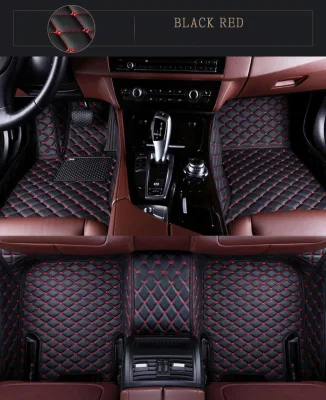
Visual and functional attributes also vary across the available inventory. Some products feature a three-dimensional shape designed for precise fitment, while others are flat mats or rolls that may require cutting. Colors are frequently customizable, with options including black, beige, gray, brown, and wine red, often with contrasting lines for aesthetic appeal. The presence of features like "easy cleaned" surfaces and "unique material" construction suggests a focus on maintenance and durability. However, buyers must verify that the "spider style" aesthetic, if required, is explicitly stated in the product description, as this term is not universally standardized across all supplier listings.
Technical Specifications to Verify
Material composition is the most critical technical specification to verify, as it directly impacts longevity and safety. Products may be constructed from leather, EPDM rubber, or a combination of synthetic rubber and pad materials. Buyers should confirm whether the product is a single-layer sheet or a multi-layer assembly, such as a metal frame layer rubber sheet, which may offer enhanced structural integrity. Additionally, the manufacturing technique, whether handmade or machine-molded, can influence the consistency of the final product. For custom-fit applications, it is essential to verify that the car model compatibility is clearly defined, as generic sizes may not provide adequate coverage or safety.
Dimensional specifications and packaging details are equally important for logistics and installation planning. Sizes observed in the market include standard dimensions like 1.5mx1.2m or 3.0X1.2m, as well as roll formats up to 4 meters in length. Packaging varies from OPP bags and PP bags to cartons and roll packing with plastic bags outside. Buyers should ensure that the packaging protects the mats from damage during transit, especially for three-dimensional or leather products that may be prone to creasing. Customization options, such as logo printing or specific color matching, should be confirmed with the supplier to ensure they meet brand or fleet requirements.
Compliance and Safety Documentation
Safety and regulatory compliance are paramount when sourcing automotive accessories, particularly those that interact with vehicle pedals and driver movement. Buyers should request documentation that verifies the mats are non-slip and do not interfere with the operation of vehicle controls. While some listings mention management certifications like ISO, these often refer to quality management systems rather than specific product safety standards. It is crucial to verify that the materials used, such as EPDM or synthetic rubber, are free from harmful substances and meet relevant automotive interior safety regulations in the target market.
Environmental and durability standards should also be reviewed to ensure long-term performance. Products claiming to be acid and alkaline resistant or impact-resistant may be suitable for harsh environments, but buyers must confirm that these claims are supported by test data or recognized standards. For leather mats, buyers should inquire about the tanning process and chemical treatments to ensure they do not emit volatile organic compounds (VOCs) that could affect cabin air quality. Clear documentation on fire resistance and flammability ratings is also recommended, especially for commercial fleets where safety regulations are stringent.
Cost Drivers and Commercial Terms
Pricing in this category is influenced by material quality, customization level, and order volume. Observed price ranges vary widely, reflecting the difference between basic rubber slabs and premium leather or TPE latex mats. Customization options, such as logo printing or specific color matching, typically incur additional costs. Buyers should also consider the minimum order quantity (MOQ), which can range from small batches for testing to large volumes for fleet deployment. Understanding the cost structure helps in budgeting for both initial procurement and potential reorders, ensuring that the total cost of ownership aligns with financial expectations.
Commercial terms, including payment methods and shipping logistics, should be negotiated clearly to avoid hidden costs. Packaging choices, such as carton packing versus roll packing, can affect shipping efficiency and costs. Buyers should verify the lead times for production and delivery, especially for customized orders, to ensure timely arrival for fleet operations or retail stocking. Additionally, warranty policies and return procedures should be established upfront, particularly for products that require precise fitment or have complex installation requirements. Clear communication on these terms helps mitigate risks associated with supply chain disruptions or product defects.
Supplier Qualification and Quality Control
Supplier qualification is essential to ensure consistent product quality and reliable service. Buyers should verify the supplier’s manufacturing capabilities, including their experience with automotive floor coverings and their ability to handle customization requests. Checking for relevant certifications, such as ISO management system certifications, can provide insight into the supplier’s quality control processes. However, buyers should not rely solely on these certifications and should request samples to evaluate the actual product quality, including material texture, stitching durability, and fitment accuracy.
Quality control measures should be implemented throughout the production and delivery process. Buyers should establish clear acceptance criteria for product inspections, focusing on key attributes such as color consistency, dimensional accuracy, and absence of defects. For large orders, third-party inspection services may be beneficial to verify that the shipped goods match the approved samples. Additionally, suppliers should be required to provide batch-specific quality reports, ensuring that each shipment meets the agreed-upon standards. Regular communication and feedback loops with the supplier can help maintain high quality levels and address any issues promptly.
Long-Term Procurement Checks
Long-term procurement success depends on continuous monitoring of product performance and supplier reliability. Buyers should track key performance indicators such as defect rates, delivery timeliness, and customer feedback to assess the ongoing value of the partnership. Regular audits of the supplier’s quality control processes can help identify potential issues before they impact the supply chain. Additionally, staying informed about industry trends and new material technologies can help buyers make informed decisions about product upgrades or replacements, ensuring that the fleet or retail offering remains competitive and safe.
Sustainability and ethical sourcing practices are increasingly important in long-term procurement strategies. Buyers should evaluate the supplier’s commitment to environmental responsibility, including the use of recyclable materials and sustainable manufacturing processes. This not only aligns with corporate social responsibility goals but also mitigates risks associated with regulatory changes and consumer preferences. By maintaining a proactive approach to supplier management and product evaluation, buyers can ensure a stable and high-quality supply of spider style car mats and related automotive accessories for years to come.
FAQs
What materials are used for spider style car mats?
Spider style car mats are typically made from EPDM synthetic rubber or leather. Some variants also utilize TPE latex for enhanced durability and waterproofing properties suitable for industrial and automotive flooring applications.
Can I customize the logo on these car mats?
Yes, customization is available for logos on these mats. Buyers can request specific branding options, and many suppliers offer customizable logos alongside various color choices like black, beige, or wine red.
Which certifications do these rubber mats hold?
These mats often hold ISO management certifications. The products are designed to meet specific standards for wear resistance and corrosion resistance, ensuring they are suitable for demanding industrial and automotive environments.
How are these mats packaged for shipping?
Packaging options include OPP bags, PP bags, cartons, or rolls with plastic bags outside. Some suppliers offer custom packing solutions to ensure the mats arrive in perfect condition during transit.
What is the minimum order quantity for these mats?
The minimum order quantity ranges from 1 to 1000 units depending on the supplier. Specific listings may require a minimum of 10 sets, while others allow for single item purchases for testing purposes.
Are these mats resistant to acid and alkaline substances?
Yes, many of these rubber slabs are acid and alkaline resistant. They are designed with features like heat resistance and impact resistance to withstand harsh chemical environments and heavy usage.
Can I get these mats in specific dimensions?
Custom sizes are available, including standard dimensions like 1.5mx1.2m or 3.0x1.2m. Buyers can also request rolls of 4 meters or other customized specifications to fit their specific vehicle or floor requirements.